

Natural catastrophes
Back to homepage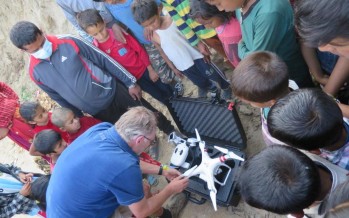
The drone, new weapon of Humanitarian
12/21/2015. The advantages associated with the use of drones on the affected areas are now recognized by all actors involved.
Read More
Scaling Up Climate and Disaster Resilience for the World's Most Vulnerable
01/05/2016. Managed by the World Bank, GFDRR, a global partnership, help developing countries to reduce their vulnerabilities to natural hazards and adapt to climate change.
Read More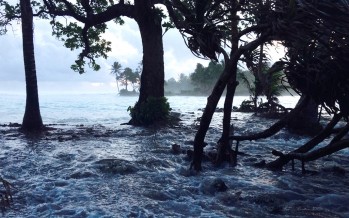
Climate refugees: eternal "forgotten Law People"?
11/30/2015. Hundreds of millions of people are likely to leave their land due to the environmental problems.
Read More
More than a tree ...
Between 2008 and 2011, Malteser International has helped the community Kyae Taw planting almost 18,000 mangroves, protecting more than 3,000 residents of two villages.
Read More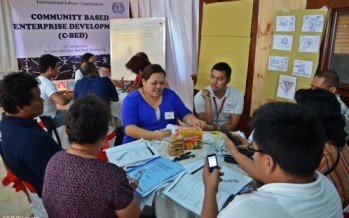
The private sector: stepping up
January 2015. This article draws on interviews with over 30 representatives from the private sector, civil society, the UN, the IFRC/Philippines Red Cross and the government of the Philippines...
Read More
Ditching the disaster cycle
03/16/2015. Focus on sustainable development to manage risk...
Read More
UNISDR's Margareta Wahlström on the Nitty-gritty of Disaster Risk Reduction
IPS Editor in Chief Ramesh Jaura exploring the transfer of technology, the future of official development assistance (ODA) and the crucial role of the civil society in reducing disaster risk.
Read More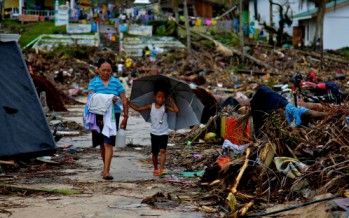
Humanitarian partnerships: reality lags behind the rhetoric
January 2015. Just over a year after Typhoon Haiyan devastated parts of the Philippines important lessons need to be learnt about how international actors partner and work with national organisations.
Read More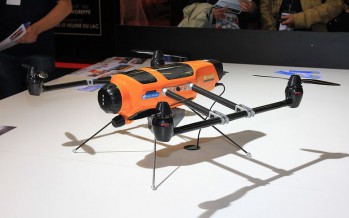
Drones to be used in Earthquake damage assessment
02/24/2015. The NAM will be using drones to assess the damage caused by earthquakes in Groningen, BNR report
Read More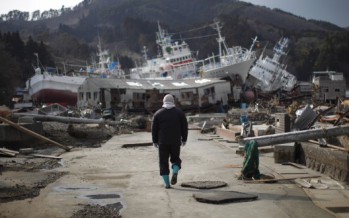
What role can business play in dealing with disasters?
02/24/2015. In an interconnected world, with impacts that touch upon all of society, locally and internationally, we need an “all-of-society” and “all-of-the-world” approach.
Read More