
Where to for protection in humanitarian action?
Report : Consultation for the Global Protection Cluster (GPC) Startegic Framework for 2016-2019 – Melbourne, Australia
This report outlines the major themes emerging from a half-day discussion on protection in humanitarian action held in Melbourne, Australia, on 20 October 2015.
This off-the-record roundtable meeting brought together practitioners, donors and academics with an interest in, and commitment to, improving the protection outcomes for people affected by conflict, disaster and displacement.
The dialogue was held in two parts:
- Part 1 focused on participants’ responses to the Whole-of-System Review of Protection,
- Part 2 elicited recommendations for the Global Protection Cluster (GPC) role and 2016-2019 strategic framework.
The dialogue asked “where to for protection in humanitarian action?”
This question makes explicit a major key assumption behind the dialogue – that tinkering with the current system and associated processes is not sufficient – a fundamental shift in thinking and operating is required if humanitarian actors are to influence protection outcomes for affected populations.
The dialogue sought to examine strategic ‘big picture’ system issues from a practical perspective – focusing on actions needed to bring about change. The dialogue also sought to give voice to regional perspectives and priorities for global action, particularly those from the Pacific.
The Global Protection Cluster coordinates and provides global level inter-agency policy advice and guidance on the implementation of the cluster approach to Protection Clusters in the field, supports protection responses in non-refugee situation humanitarian action as well as leads standard and policy setting relating to protection in complex and natural disaster humanitarian emergencies, in particular with regard to the protection of internally displaced persons. UNHCR is the Global Cluster Lead Agency for Protection.
Related Articles

How philanthropy benefits the super-rich
08/09/2020. There are more philanthropists than ever before. So how come inequality keeps rising?
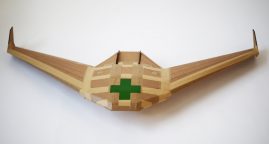
Someday Disposable Drones May Deliver A Payload, Then Vanish
03/02/2017. DARPA is working with several companies in the field of ephemeral materials to achieve a prototype.
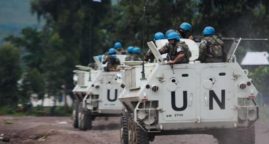
Peacekeepers Shouldn’t Always Be Peaceful
04/19/2018. The United Nations needs to accept that it’s possible to fight and broker peace agreements at the same time.
