

Scaling Up Climate and Disaster Resilience for the World’s Most Vulnerable
Natural disasters can cause unthinkable tolls and continue to disproportionately affect the poorest and most vulnerable.
Managed by the World Bank, GFDRR is a global partnership funded by 22 donor partners with a mission help developing countries better understand and reduce their vulnerabilities to natural hazards and adapt to climate change.
Through technical assistance, capacity building, and knowledge sharing activities, the Global Facility for Disaster Reduction and Recovery (GFDRR) helps vulnerable countries reduce disaster and climate risks and build resilience.
During the past fiscal year, GFDRR provided nearly $80 million in grants that address these challenges in over 89 countries. This work has enabled vulnerable countries to leverage significant additional funding in resilience.
“This has been a monumental year for the development community. As we work toward helping countries realize the Sendai Framework, the Paris agreement, and other accords, the work of GFDRR will be central to help build resilience.” Francis Ghesquiere, Head, GFDRR Secretariat.
Read the full article on the World Bank website
Related Articles
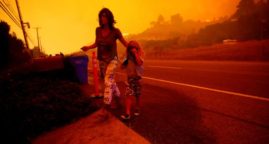
Extreme weather hit 60 million people in 2018, no part of the world spared
01/24/2019. The study showed that earthquakes and tsunamis claimed more lives than any other type of hazard.
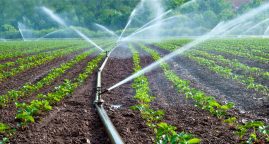
Food trade drains global water sources at ‘alarming’ rates
03/30/2017. The global market for foodstuffs is depleting water sources in many parts of the world quicker than they can naturally be refilled.
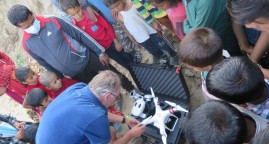
The drone, new weapon of Humanitarian
12/21/2015. The advantages associated with the use of drones on the affected areas are now recognized by all actors involved.
